






















Join Our Newsletter
Join our subscribers list to get the latest news, updates and special offers directly in your inbox

A major study by Mass General Brigham reveals that children exposed to maternal COVID-19 in utero face a significantly higher risk of developmental delays, speech and motor disorders, and autism by age three — emphasizing the need for maternal infection prevention and early childhood screening.
A new study published in JAMA Network Open reveals that fetal exposure to sulfate and ammonium components of fine particulate matter (PM₂.₅) significantly increases the risk of autism spectrum disorder (ASD) in children. Analyzing over two million births in Ontario, researchers found that exposure d...
New research shows toxic compounds from heated e-cigarette fluids harm lung cells, highlighting vaping risks and the need for regulatory oversight.
Japanese researchers uncover a key cell death pathway in SJS/TEN and develop FPR1 inhibitors that prevent necroptosis in model cells and mice, offering a potential breakthrough therapy for severe cutaneous adverse reactions.
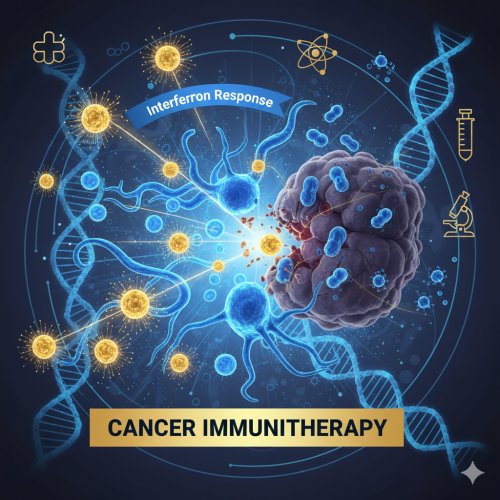
A groundbreaking Nature study shows that COVID-19 mRNA vaccines may enhance cancer immunotherapy by unleashing powerful immune responses, turning resistant tumors into treatment-ready targets — a discovery that could transform oncology forever.
Australian researchers identify key nervous system components, CGRP and RAMP1, that drive colorectal and stomach cancer growth, highlighting opportunities to repurpose existing migraine drugs as potential cancer therapies.
Discover how scientists used human stem cell-derived “young” immune cells to reverse brain aging and memory loss in mice, offering promising insights for Alzheimer’s research and age-related cognitive decline.
Learn how doctors at King George’s Medical University developed the Peripapillary Dissection (PPD) technique, a minimally invasive solution for complex bile duct blockages, reducing the need for risky open surgeries.
Discover the latest cancer research breakthroughs from Memorial Sloan Kettering (MSK) presented at ESMO 2025, including new therapies for lung, pancreatic, and mismatch repair–deficient solid tumors. Explore the promising clinical results that may redefine future cancer care.
Explore how Dr. Irina Burd, MD, PhD, is revolutionizing maternal-fetal medicine through groundbreaking research in fetal brain development, inflammation, and reproductive innovation. Learn about her leadership at the Society for Reproductive Investigation (SRI) and her efforts to improve maternal an...
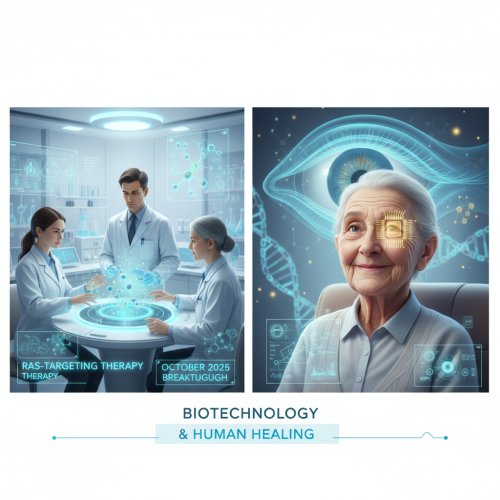
A revolutionary study reveals that 80% of patients with age-related macular degeneration (AMD) regained the ability to read using a new eye implant combined with augmented-reality glasses. Discover how this innovation is redefining artificial vision.
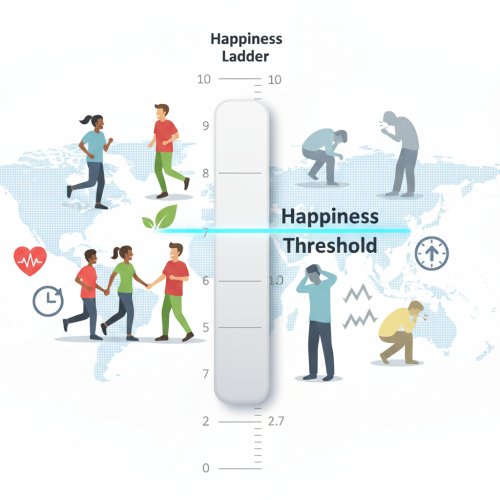
A groundbreaking global study finds that moderate happiness—not extreme joy—can reduce the risk of premature death from chronic diseases like cancer, diabetes, and heart disease. Discover the science behind the happiness-health connection.
New U.S. research confirms early peanut introduction reduces food allergies in young children, supporting 2015–2017 guidelines for early allergen exposure.
Discover how working night shifts may increase your risk of irritable bowel syndrome (IBS). A major UK study reveals how disrupted sleep and circadian rhythm can affect gut health and overall well-being.
Revolutionary UCSF research reveals that multiple sclerosis silently erodes the brain years before symptoms surface. Early immune signals, IL-3 and MOG, could pioneer predictive diagnostics and prevention.
October 2025 has seen landmark medical research breakthroughs—including a novel cancer therapy targeting RAS mutations without harming healthy cells, and the first implant to restore reading vision in dry AMD patients. Explore the science, implications, and future outlook.
England and Wales approve a revolutionary HIV prevention injection, Cabotegravir (CAB-LA), on the NHS — a step toward ending new HIV infections by 2030. Learn how this game-changing jab offers convenience, hope, and equality in healthcare.
Discover 5 major healthcare research breakthroughs of 2025, from microbiome-driven cancer therapy to AI cancer detection and stroke recovery with DMT.
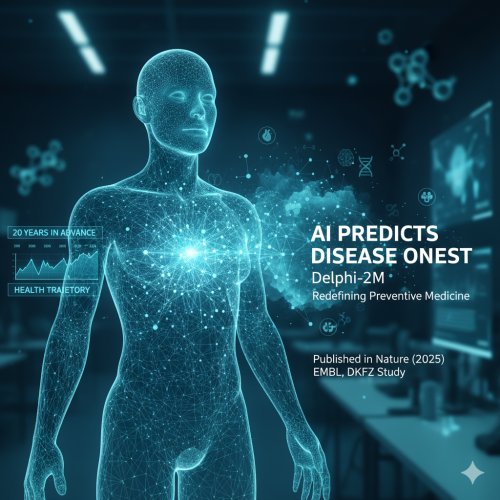
A groundbreaking AI model, Delphi-2M, can predict the onset of over 1,000 diseases up to 20 years in advance using medical records. Published in Nature (2025), it marks a major leap in preventive and personalized medicine—learn how it works, its results, and what it means for the future of healthcar...
Scientists at the Francis Crick Institute and Vividion Therapeutics have developed a new compound that blocks cancer’s growth signal without damaging healthy cells. The discovery, published in Science, marks a major advance in safer, targeted cancer treatments now entering human clinical trials.
Once revered as magical antidotes to poison, bezoars have transformed from mystical relics to modern medical challenges. Discover their fascinating history, types, risks, and the surprising role of Diet Coke in their treatment.
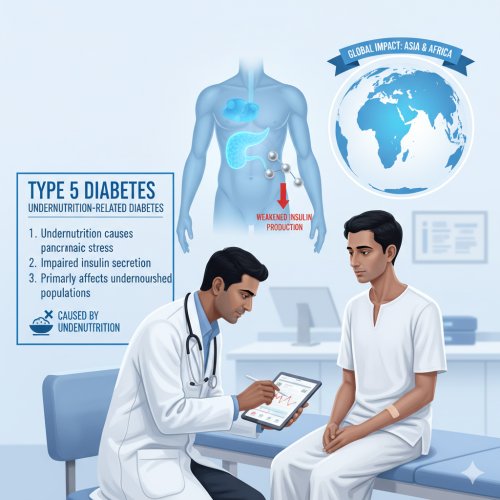
Learn about Type 5 Diabetes — a newly recognized form of diabetes caused by early-life undernutrition. Discover its history, symptoms, diagnosis, and treatment options.
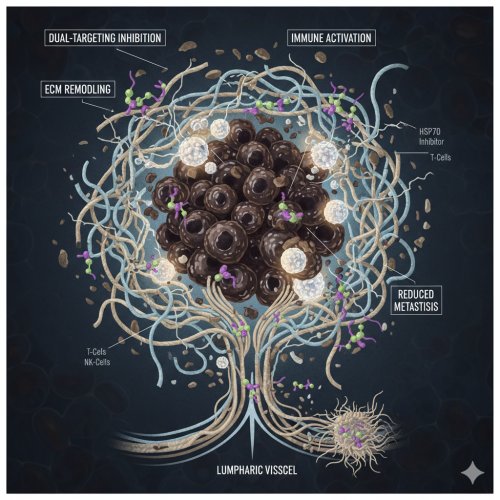
New research reveals a dual-targeting approach that inhibits LOX and HSP70 — key drivers of extracellular matrix remodeling — to suppress melanoma metastasis and enhance immunotherapy response.
A groundbreaking study from the University of East Anglia and Oxford Biodynamics introduces a 96% accurate blood test using 3D genomics technology to diagnose Chronic Fatigue Syndrome (ME/CFS), marking a new era in patient diagnosis and care.
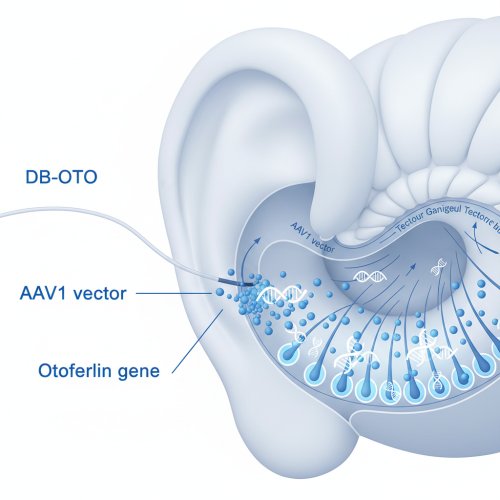
A new NEJM study shows that DB-OTO, a dual AAV1 gene therapy, restored natural hearing in 75% of children with otoferlin-related inherited deafness. This breakthrough could transform treatment for congenital hearing loss.
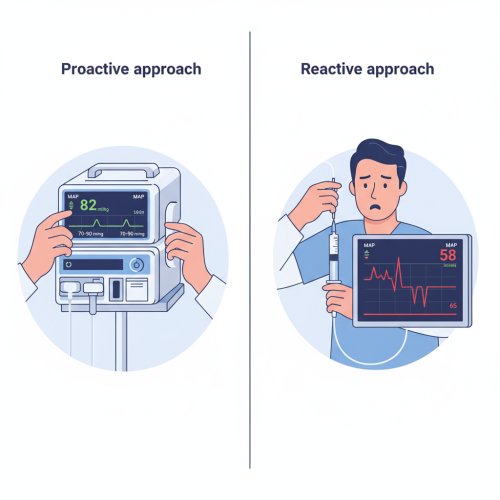
The PRETREAT randomized clinical trial compared a risk-stratified, proactive blood pressure management strategy to standard reactive care during surgery. In adults undergoing noncardiac surgery, it found no significant improvement in functional disability at 6 months.
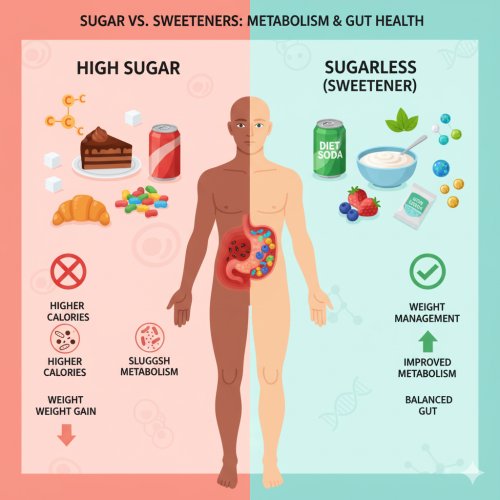
Replacing just one can of soda or diet drink a day with water may significantly reduce the risk of metabolic-associated steatotic liver disease (MASLD), according to new research from Soochow University, China.
Microsoft licenses Harvard Health Publishing's content to power its Copilot AI, aiming to deliver more accurate and credible medical information. Discover how this partnership could reshape consumer health.
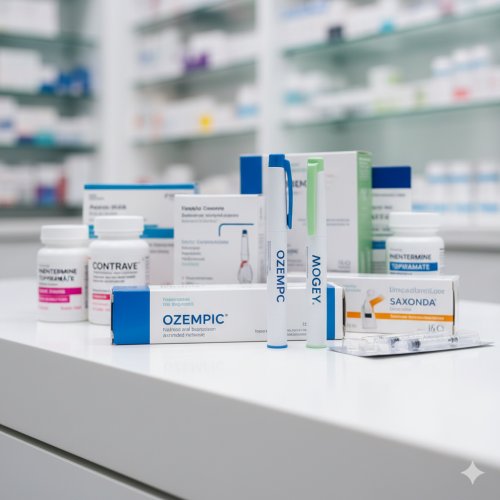
New research reveals that weight-loss drugs like Ozempic and Wegovy may cause unusual PET-CT scan patterns, leading to potential misdiagnoses. Learn how healthcare professionals can recognize and manage this emerging side effect to ensure accurate imaging results and patient safety.
Harvard Medical School scientists have developed PDGrapher, an AI-powered tool that identifies gene targets up to 25 times faster than existing methods. This breakthrough could reshape drug discovery by linking diseased genes directly to potential therapeutic interventions.
Long-term weight maintenance is no longer just about calories. Emerging research reveals how the gut microbiome influences metabolism, appetite, and weight regain. Discover how studies like the SWEET project are paving the way for microbiome-based personalized nutrition and sustainable weight manage...
A new JAMA study reveals that inhalers used for asthma and COPD contributed nearly 25 million metric tons of CO2 emissions in the US between 2014–2024, with metered-dose inhalers responsible for 98% of the impact. Here’s what it means for healthcare, patients, and climate change.
A new study in Frontiers in Behavioral Neuroscience reveals that deliberate intention to remember has a stronger effect on memory consolidation than emotional salience — even during sleep.
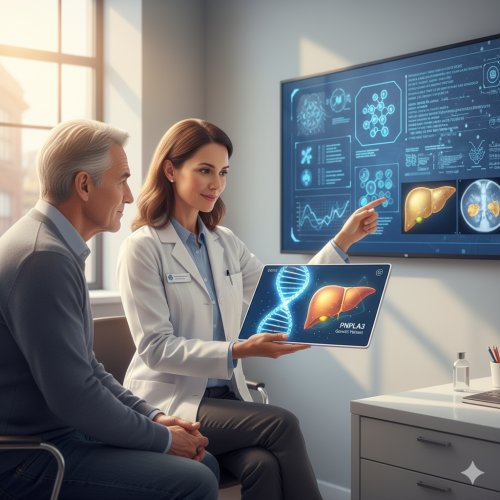
New research published in The Lancet eBioMedicine reveals that a genetic variant in the PNPLA3 gene significantly increases the risk of chemotherapy-related liver injury in patients with colorectal cancer liver metastases. Learn how genetic testing and personalized treatment can reduce complications...