















Join Our Newsletter
Join our subscribers list to get the latest news, updates and special offers directly in your inbox


Last seen: 25 days ago
Columbia University researchers achieve a breakthrough pregnancy using AI-guided sperm recovery technology, marking a major advancement for men with azoospermia and male infertility treatment.
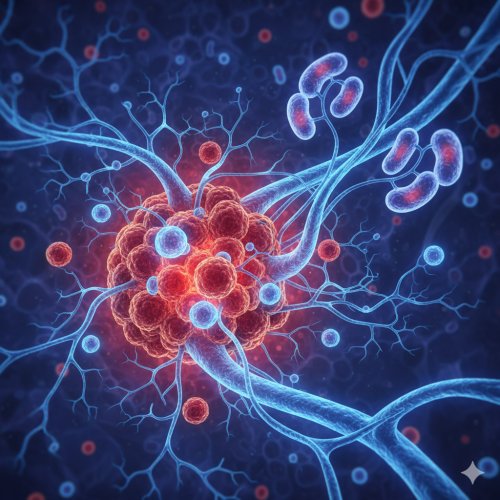
Groundbreaking research reveals that cancer cells exploit nerve pathways to suppress immune defenses. The study uncovers how the ATF4–SLIT2–CGRP axis triggers pain, weakens immunity, and reduces immunotherapy effectiveness — offering new hope for innovative cancer treatments.
A major study by Mass General Brigham reveals that children exposed to maternal COVID-19 in utero face a significantly higher risk of developmental delays, speech and motor disorders, and autism by age three — emphasizing the need for maternal infection prevention and early childhood screening.
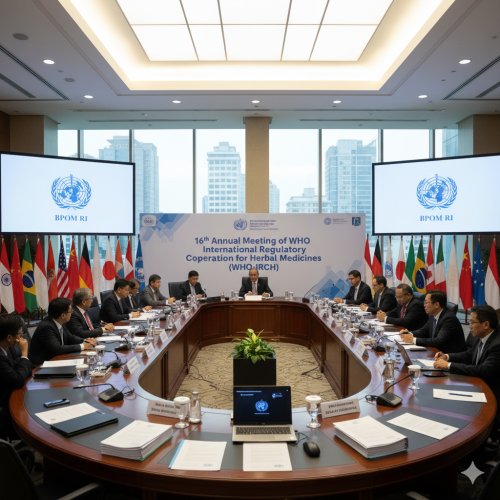
The 16th Annual Meeting of WHO-IRCH, hosted by Indonesia’s BPOM in Jakarta, brought together global regulators and WHO experts to advance harmonized standards for the safety, quality, and efficacy of herbal and traditional medicines.
A new WHO report reveals that neurological disorders cause over 11 million deaths each year and affect more than 3 billion people worldwide. With less than one-third of countries having a national neurological policy, WHO urges governments to prioritize brain health and expand access to care globall...
Learn why AI adoption in healthcare struggles with resistance, low trust, and workflow issues—and how strong leadership can drive successful digital transformation.
A new study published in JAMA Network Open reveals that fetal exposure to sulfate and ammonium components of fine particulate matter (PM₂.₅) significantly increases the risk of autism spectrum disorder (ASD) in children. Analyzing over two million births in Ontario, researchers found that exposure d...
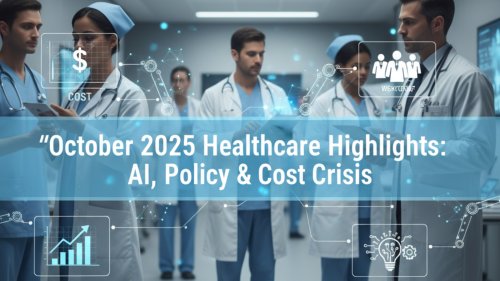
Discover the most talked healthcare developments of October 2025 — from the rapid rise of AI and automation in hospitals to the deepening cost crisis, policy uncertainty, and workforce burnout shaping the future of global healthcare.
Stay informed with DoctorNewsLine Weekly Newsletter 7.0 featuring groundbreaking research in neuroscience, cancer therapy, maternal-fetal medicine, allergy prevention, and more. Trusted updates from the world of medical science and innovation.
WHO Launches Global Framework to Strengthen National Health Emergency Preparedness and Response
New research shows toxic compounds from heated e-cigarette fluids harm lung cells, highlighting vaping risks and the need for regulatory oversight.
A groundbreaking Nature study shows that COVID-19 mRNA vaccines may enhance cancer immunotherapy by unleashing powerful immune responses, turning resistant tumors into treatment-ready targets — a discovery that could transform oncology forever.
A revolutionary study reveals that 80% of patients with age-related macular degeneration (AMD) regained the ability to read using a new eye implant combined with augmented-reality glasses. Discover how this innovation is redefining artificial vision.
Discover how working night shifts may increase your risk of irritable bowel syndrome (IBS). A major UK study reveals how disrupted sleep and circadian rhythm can affect gut health and overall well-being.
Revolutionary UCSF research reveals that multiple sclerosis silently erodes the brain years before symptoms surface. Early immune signals, IL-3 and MOG, could pioneer predictive diagnostics and prevention.
Explore the latest medical breakthroughs in DoctorNewsline Newsletter 6.0. From the discovery of Type 5 Diabetes and revolutionary HIV prevention to precision oncology innovations and full-body PET/CT imaging — October 2025 is reshaping global healthcare. Stay informed with science that saves lives.
October 2025 has seen landmark medical research breakthroughs—including a novel cancer therapy targeting RAS mutations without harming healthy cells, and the first implant to restore reading vision in dry AMD patients. Explore the science, implications, and future outlook.
A man with type 1 diabetes becomes the first to produce his own insulin after receiving gene-edited islet cell transplants — without immune-suppressing drugs. The breakthrough, published in the New England Journal of Medicine, could revolutionize diabetes treatment worldwide.
England and Wales approve a revolutionary HIV prevention injection, Cabotegravir (CAB-LA), on the NHS — a step toward ending new HIV infections by 2030. Learn how this game-changing jab offers convenience, hope, and equality in healthcare.
Explore GE HealthCare's partnership with Erasmus MC to advance cancer diagnostics. Learn how next-gen total body PET/CT & AI aim to transform early detection, treatment planning, & theranostics.
Discover 5 major healthcare research breakthroughs of 2025, from microbiome-driven cancer therapy to AI cancer detection and stroke recovery with DMT.
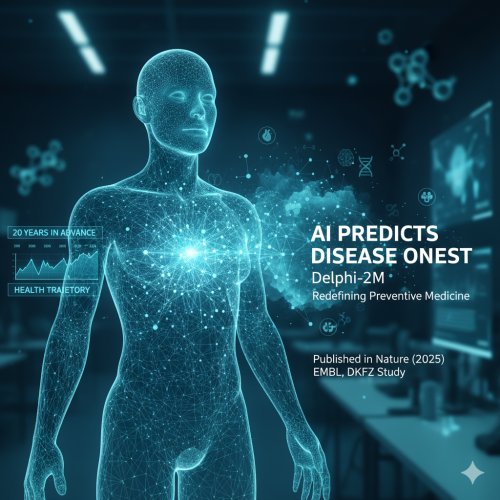
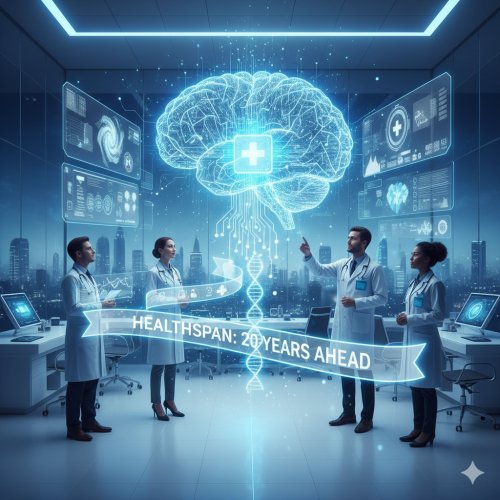
A groundbreaking AI model, Delphi-2M, can predict the onset of over 1,000 diseases up to 20 years in advance using medical records. Published in Nature (2025), it marks a major leap in preventive and personalized medicine—learn how it works, its results, and what it means for the future of healthcar...
Scientists at the Francis Crick Institute and Vividion Therapeutics have developed a new compound that blocks cancer’s growth signal without damaging healthy cells. The discovery, published in Science, marks a major advance in safer, targeted cancer treatments now entering human clinical trials.
Once revered as magical antidotes to poison, bezoars have transformed from mystical relics to modern medical challenges. Discover their fascinating history, types, risks, and the surprising role of Diet Coke in their treatment.
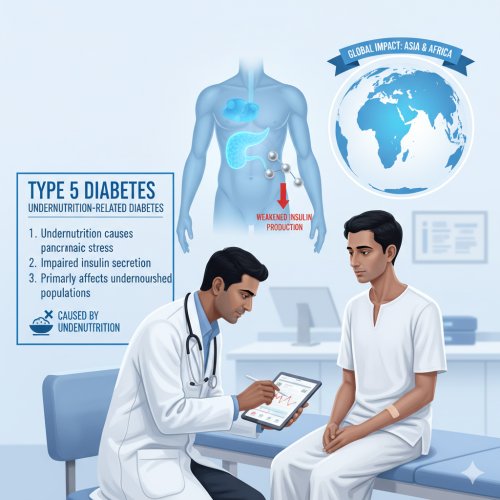
Learn about Type 5 Diabetes — a newly recognized form of diabetes caused by early-life undernutrition. Discover its history, symptoms, diagnosis, and treatment options.
Stay updated with Newsletter 5.0 from DoctorNewsline — covering AI disease prediction, precision medicine, climate impact of inhalers, nutrition breakthroughs, and the latest healthcare innovations.
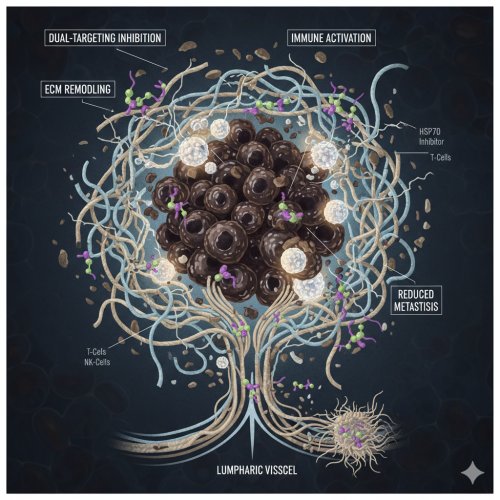
New research reveals a dual-targeting approach that inhibits LOX and HSP70 — key drivers of extracellular matrix remodeling — to suppress melanoma metastasis and enhance immunotherapy response.
A groundbreaking study from the University of East Anglia and Oxford Biodynamics introduces a 96% accurate blood test using 3D genomics technology to diagnose Chronic Fatigue Syndrome (ME/CFS), marking a new era in patient diagnosis and care.
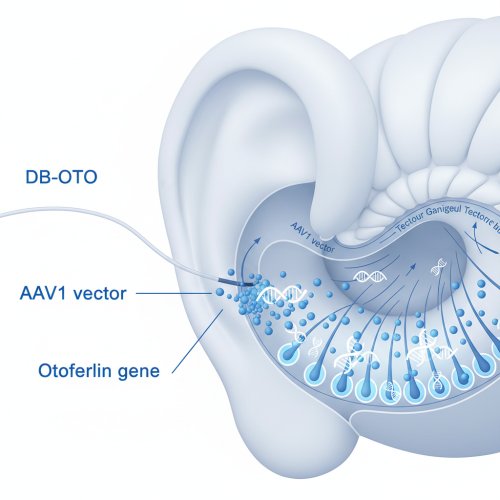
A new NEJM study shows that DB-OTO, a dual AAV1 gene therapy, restored natural hearing in 75% of children with otoferlin-related inherited deafness. This breakthrough could transform treatment for congenital hearing loss.
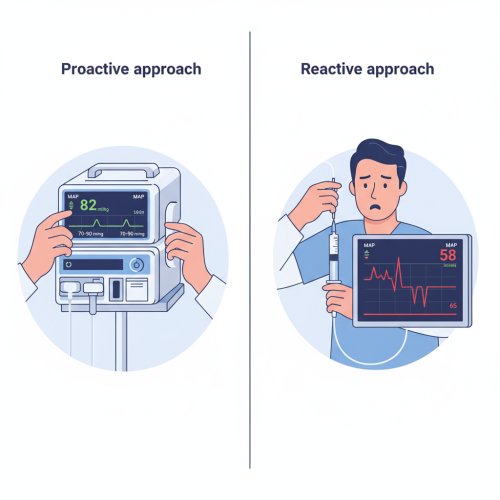
The PRETREAT randomized clinical trial compared a risk-stratified, proactive blood pressure management strategy to standard reactive care during surgery. In adults undergoing noncardiac surgery, it found no significant improvement in functional disability at 6 months.
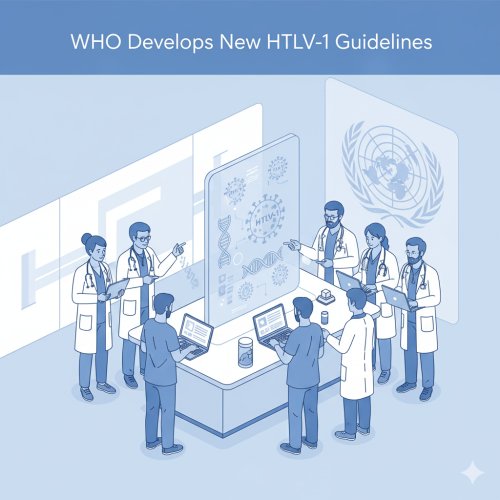
The World Health Organization (WHO) has announced the formation of a Guideline Development Group to create evidence-based recommendations on Human T-cell lymphotropic virus-1 (HTLV-1) testing and prevention — marking a major step in tackling this neglected infection.
Replacing just one can of soda or diet drink a day with water may significantly reduce the risk of metabolic-associated steatotic liver disease (MASLD), according to new research from Soochow University, China.
The United Nations plans to deliver hundreds of trucks of food and medical supplies to Gaza once the ceasefire begins, aiming to reach over 2 million people in need. With famine already affecting 500,000 Palestinians, the UN’s urgent mission seeks to prevent a deeper humanitarian disaster.
Microsoft licenses Harvard Health Publishing's content to power its Copilot AI, aiming to deliver more accurate and credible medical information. Discover how this partnership could reshape consumer health.
Discover how the Global RETFound initiative is building the world's first globally representative medical AI foundation model using 100 million retinal images from over 65 countries to reduce bias and improve disease detection.
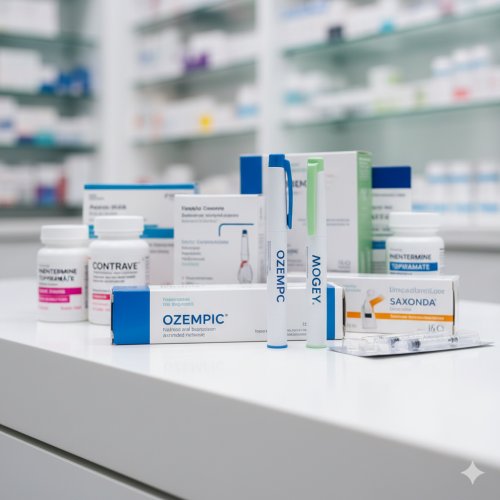
New research reveals that weight-loss drugs like Ozempic and Wegovy may cause unusual PET-CT scan patterns, leading to potential misdiagnoses. Learn how healthcare professionals can recognize and manage this emerging side effect to ensure accurate imaging results and patient safety.
Harvard Medical School scientists have developed PDGrapher, an AI-powered tool that identifies gene targets up to 25 times faster than existing methods. This breakthrough could reshape drug discovery by linking diseased genes directly to potential therapeutic interventions.
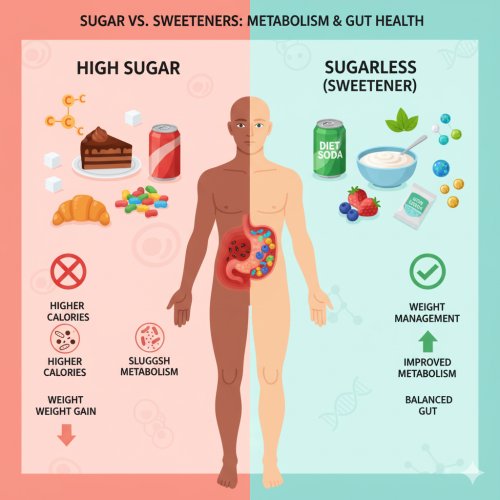
Long-term weight maintenance is no longer just about calories. Emerging research reveals how the gut microbiome influences metabolism, appetite, and weight regain. Discover how studies like the SWEET project are paving the way for microbiome-based personalized nutrition and sustainable weight manage...
A new JAMA study reveals that inhalers used for asthma and COPD contributed nearly 25 million metric tons of CO2 emissions in the US between 2014–2024, with metered-dose inhalers responsible for 98% of the impact. Here’s what it means for healthcare, patients, and climate change.
A new study in Frontiers in Behavioral Neuroscience reveals that deliberate intention to remember has a stronger effect on memory consolidation than emotional salience — even during sleep.
The World Health Organization (WHO) has launched the Global Clinical Trials Forum (GCTF) in 2025 to strengthen clinical trial systems worldwide, enhance research capacity, and improve health preparedness.
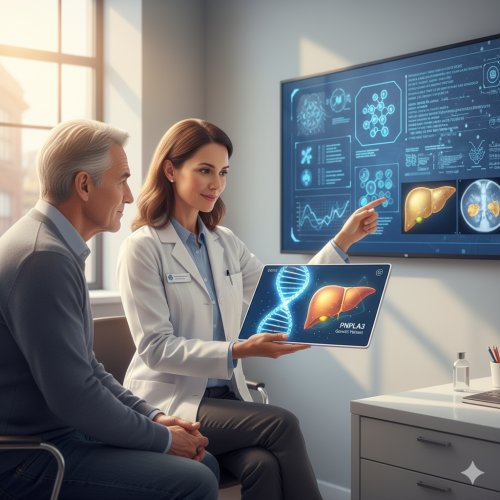
New research published in The Lancet eBioMedicine reveals that a genetic variant in the PNPLA3 gene significantly increases the risk of chemotherapy-related liver injury in patients with colorectal cancer liver metastases. Learn how genetic testing and personalized treatment can reduce complications...