|
We’d love to hear from you! 🌿
After reading our blog, please take a moment to share your thoughts, insights, or any suggestions in the comment box below. Your feedback helps us grow and continue bringing you meaningful, research-driven content.
👉 Read our full blog and let us know what you think!
|
|
Scientists Detect Silent Brain Damage Years Before MS Strikes
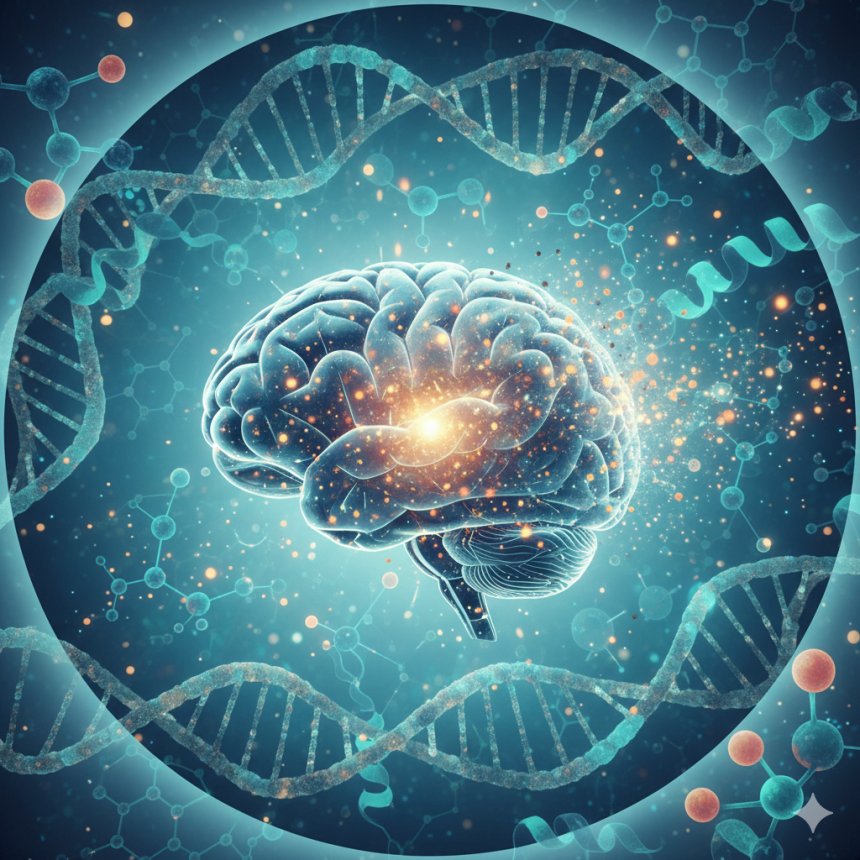
In a striking revelation, researchers from the University of California, San Francisco (UCSF) have unveiled that multiple sclerosis (MS) inflicts covert harm on the brain long before any outward symptoms emerge. By tracing elusive protein signatures within blood samples, they deciphered early molecular whispers—signals of immune turbulence and neural injury—that predate diagnosis by years. Among these biomarkers, IL-3 and MOG stand out as harbingers of the disease’s hidden onslaught, paving the way for a future where a simple blood test might forewarn or even forestall MS.
|
The Invisible Prelude to Multiple Sclerosis
By the time a patient feels the tremors of MS, the disease has already sculpted years of unseen devastation. Until now, scientists were ensnared in uncertainty about when this invisible siege began—or which neural structures first fell victim.
A UCSF research collective has now charted the earliest timeline of the disease’s silent war. Through the analysis of thousands of circulating proteins, the team revealed how the immune system stealthily begins to attack myelin—the brain’s fatty, protective sheath that shields and speeds nerve signals. These biochemical remnants, fragments of myelin interlaced with immune-driven molecules, paint a vivid chronicle of destruction long before clinical symptoms dare to appear.
This discovery not only reframes the understanding of MS but illuminates a path toward early detection—and perhaps, prevention.
|
Early Biological Whispers: The Body’s Forewarning
The UCSF team discerned that MS first locks its sights upon myelin. Roughly a year thereafter, signs of deeper neuronal damage emerge, as if the disease were peeling away layers of defense.
Of the immune-related proteins found in this precursor phase, IL-3 glowed brightest. Acting as both sentinel and saboteur, IL-3 lures immune cells into the sanctum of the brain and spinal cord, inciting an assault against neural tissue—often while patients remain blissfully unaware.
Dr. Ahmed Abdelhak, assistant professor of Neurology and co-lead author, remarked, “Our research unlocks immense opportunities for earlier diagnosis, vigilant monitoring, and innovative treatment. It redefines our entire lens on MS.”
|
Tracking the Disease’s Footprints Years in Advance
To unravel MS’s covert beginnings, the UCSF scientists examined over 5,000 distinct proteins from 134 individuals who later developed the condition. These precious samples originated from the U.S. Department of Defense Serum Repository—a treasure trove preserving blood from military applicants across decades.
Nearly seven years before diagnosis, researchers noticed an uncanny rise in MOG (myelin oligodendrocyte glycoprotein)—a molecular cry that the brain’s protective layer was already under siege. Within the following year, neurofilament light chain levels swelled, signaling damage deep within the nerve fibers themselves. Concurrently, IL-3 and other immune actors flooded the bloodstream, heralding the start of an invisible autoimmune rebellion.
|
Forging a Path Toward Predictive Blood Diagnostics
In total, the UCSF team identified nearly fifty proteins capable of serving as early sentinels of multiple sclerosis. From these, twenty-one stood as the most reliable, forming the cornerstone of a patent-pending diagnostic blood test that could one day predict MS before it manifests.
Dr. Ari Green, senior author and chief of Neuroimmunology at UCSF, believes the discovery could revolutionize medical foresight:
“We now understand that MS germinates long before symptoms bloom. This insight opens the profound possibility of shielding individuals from the disease before it takes root.”
|
A Network of Minds Behind the Breakthrough
This monumental work drew upon the expertise of many—including Gabriel Cerono, Kiarra Ning, John Boscardin, Christian Cordano, and a constellation of UCSF collaborators across neurology and glial biology. The study was published in Nature Medicine on October 20, 2025, under the title “Myelin Injury Precedes Axonal Injury and Symptomatic Onset in Multiple Sclerosis.”
|
Funding and Acknowledgment
The research was sustained by the U.S. Department of Defense, National Institutes of Health, Valhalla Foundation, National Multiple Sclerosis Society, and other charitable organizations. For full disclosures and funding details, readers may refer to the original Nature Medicine publication.
|
References
-
Abdelhak, A., Cerono, G., Sheikhzadeh, F., Harroud, A., Ning, K., et al. (2025). Myelin injury precedes axonal injury and symptomatic onset in multiple sclerosis. Nature Medicine. DOI: 10.1038/s41591-025-04014-w
-
University of California - San Francisco. “Scientists detect hidden brain damage years before MS symptoms.” ScienceDaily, 21 October 2025. www.sciencedaily.com/releases/2025/10/251020092828.htm
|