From Antidote to Medical Marvel: The Strange History and Modern Science of Bezoars
Once revered as magical antidotes to poison, bezoars have transformed from mystical relics to modern medical challenges. Discover their fascinating history, types, risks, and the surprising role of Diet Coke in their treatment.

A Whiff of History: From Magical Antidote to Medical Menace
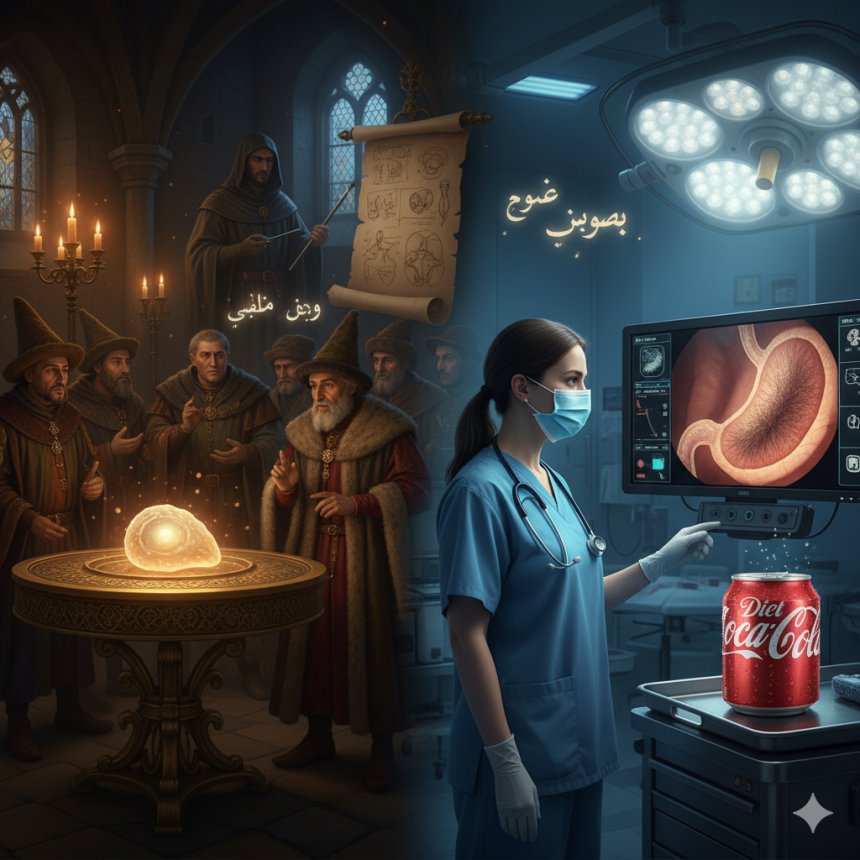
For centuries, bezoars were considered the ultimate protection against poison—a precious talisman of life and death. In the courts of medieval kings, these mysterious “stones” were believed to possess extraordinary healing powers, capable of neutralizing the deadliest toxins. Their legend spans continents, from Persian apothecaries to European alchemists, and their name—derived from the Persian pād-zahr and Arabic badzehr, meaning “counterpoison”—reflects this enchanted past.
The Bezoar Experiment: Science vs. Superstition
The myth began to crumble in the 16th century thanks to Ambroise Paré, a French surgeon whose name now graces medical textbooks. When Paré offered a condemned prisoner the chance to test a bezoar’s power against poison, the result was grim but conclusive: the prisoner died, and the myth of the miracle stone began to fade.
Once magical relics, bezoars are now recognized for what they truly are—compact masses trapped in the gastrointestinal tract, requiring clinical care rather than royal reverence.
Bezoar Breakdown: What’s Hiding in Your Gut?
Bezoars form when indigestible materials accumulate in the stomach or intestines. They are classified by composition:
-
Phytobezoars: Formed from plant fibers, seeds, and fruit skins. Persimmons are infamous for creating diospyrobezoars—particularly hard and stubborn varieties.
-
Trichobezoars: Hairballs often seen in individuals with trichotillomania. The rare Rapunzel syndrome occurs when the hairball extends into the small intestine.
-
Pharmacobezoars: Clumps of undigested medications, often from extended-release pills.
-
Lactobezoars: Found in infants, made up of undigested milk proteins.
-
Foreign Body Bezoars: Caused by accidental or deliberate ingestion of indigestible objects.
Risk factors include prior gastric surgery, diabetes, poor chewing habits, high-fiber diets, and certain psychological conditions. Symptoms range from bloating and discomfort to severe bowel obstruction or bleeding.
The Fizz-ical Cure: How Diet Soda Saves the Day
It sounds like urban legend, but it’s true—Diet Coke has emerged as a medical tool for dissolving gastric bezoars.
The first documented success appeared in 2002, when Coca-Cola was used to break down phytobezoars. A decade later, combining Diet Coke with cellulase, an enzyme that digests plant fibers, became an effective and safe first-line treatment.
How It Works:
-
Acidity: The beverage’s pH helps mimic stomach acid and softens the mass.
-
Carbonation: Bubbles mechanically disrupt and fragment the bezoar.
-
Mucolytic Action: Sodium bicarbonate loosens the compact structure.
-
Cellulase Enzyme: Breaks down plant cellulose, enhancing dissolution speed.
For diabetic patients, the sugar-free nature of Diet Coke makes it especially suitable compared to traditional soft drinks.
Beyond the Bubbles: Alternative Approaches
While Diet Coke is a simple, non-invasive treatment, it isn’t the only option.
Other management methods include:
-
Chemical dissolution: Using enzymes like cellulase or papain (though papain can cause allergic reactions).
-
Endoscopic removal: Visualizing and mechanically breaking the bezoar with specialized tools.
-
Surgical removal: Reserved for large or resistant bezoars, particularly trichobezoars.
The Diet Soda Debate: Between Remedy and Risk
While medical use of Diet Coke is supported by clinical data, everyday consumption is another story. Concerns have emerged regarding artificial sweeteners, gut microbiome disruption, and possible metabolic effects. Some studies link high diet soda intake to cardiovascular disease and type 2 diabetes, though evidence remains mixed.
In 2023, the International Agency for Research on Cancer (IARC) classified aspartame as “possibly carcinogenic,” further fueling public debate.
The key? Context. Diet Coke can be a lifesaver in a hospital—but not a health drink at home.
The Future of “De-Bezoaring”: What’s Next?
Modern medicine continues to refine its approach to these curious masses:
-
Smarter solvents: New enzyme blends and pH-adjusted solutions are under study.
-
High-tech endoscopy: Precision tools allow safer and more complete removal.
-
Prevention strategies: Tailored diets and risk-screening for vulnerable patients are gaining traction.
-
Long-term research: Scientists are still exploring how artificial sweeteners affect digestion and microbiome health.
Conclusion: A Fizzy Finish to a Sticky Problem
From royal chambers to operating rooms, the journey of the bezoar is nothing short of fascinating. What was once hailed as a magical cure now represents a triumph of science over superstition.
And while Diet Coke might seem an unlikely hero, its role in modern gastroenterology reminds us that innovation often bubbles up from the most unexpected places.
Next time you sip a soda, think of the centuries-old mystery it helped solve—a fizzy finish to one of medicine’s strangest tales.
References
-
Ladas SD et al. Coca-Cola treatment of gastric phytobezoars: A systematic review. World J Gastroenterol. 2013;19(25):4266–4271.
-
Iwamuro M, et al. Review of the treatment of gastric phytobezoars. World J Gastrointest Endosc. 2015;7(4):336–345.
-
Verma R, et al. Rapunzel Syndrome: Trichobezoar extending to the small intestine. BMJ Case Reports. 2021.
-
Ambroise Paré. Oeuvres Complètes. 1575.
-
World Health Organization (WHO). IARC Monographs on Aspartame. 2023.
Share