Newsletter 5.0: Weekly Healthcare Innovations & Medical Breakthroughs
Stay updated with Newsletter 5.0 from DoctorNewsline — covering AI disease prediction, precision medicine, climate impact of inhalers, nutrition breakthroughs, and the latest healthcare innovations.


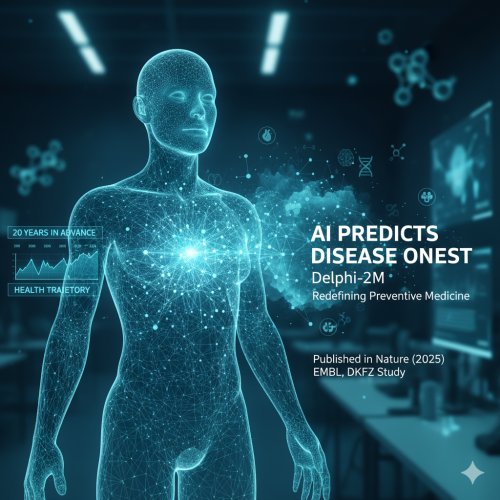
1. AI Can Now Predict Diseases 20 Years Ahead — A Revolution in Preventive Medicine
Imagine knowing your risk of developing heart disease, cancer, or diabetes two decades before symptoms appear.
That’s exactly what a groundbreaking new AI model, Delphi-2M, developed by European researchers and published in Nature (2025), can do. By analyzing millions of medical records, Delphi-2M predicts the onset of over 1,000 diseases up to 20 years in advance, potentially transforming preventive care, diagnostics, and public health planning.
In our latest deep dive on DoctorNewsline.com, we explore:
-
How Delphi-2M works
-
What makes it so powerful
-
The real-world implications for doctors, researchers, and healthcare systems
👉 Read full article on DoctorNewsLine.com
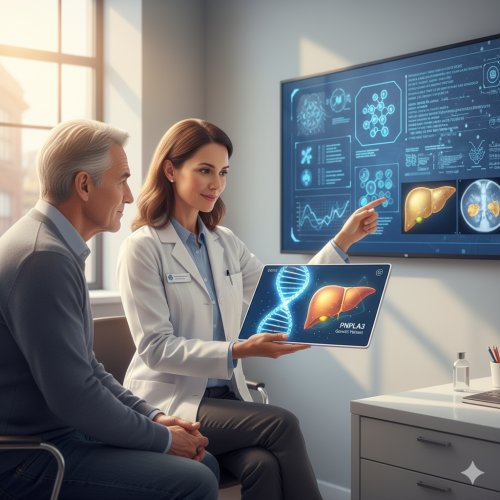
2. Genetics Meets Chemo: Predicting Liver Risk in Colorectal Cancer
A new study finds that a PNPLA3 gene variant can make some colorectal cancer patients more susceptible to chemotherapy-related liver injury. Genetic testing combined with liver monitoring may enable personalized treatments, reducing complications and improving outcomes.
3. JAMA Study Reveals $5.7 Billion Climate Impact of Asthma and COPD Inhalers
Asthma and COPD inhalers save lives — but a new JAMA study exposes their hidden climate toll: 24.9 million metric tons of CO₂ and $5.7 billion in social costs over the past decade. Learn how switching to greener inhaler alternatives can protect both health and the planet.
4. Sweeteners vs. Sugar: Surprising Winner for Long-Term Weight Management
A one-year randomized controlled trial found that sweeteners and sweetness enhancers (S&SEs) support better long-term weight maintenance than traditional sugar-reduced diets. The secret lies in the gut microbiome, which predicts weight loss success — unlocking new potential for personalized nutrition.
5. Harvard’s AI Tool PDGrapher Accelerates Drug Discovery by 25x
Researchers at Harvard Medical School introduced PDGrapher, an AI that identifies gene targets 25 times faster than traditional methods. By mapping gene interactions, PDGrapher is set to revolutionize drug discovery and treatment development for complex and rare diseases.
6. New Finding: Weight-Loss Drugs Like Ozempic May Confuse Medical Scans
GLP-1 drugs such as Ozempic and Wegovy can create false-positive PET-CT scan results that mimic disease. Researchers urge clinicians to record patients’ GLP-1 use to avoid misdiagnoses and update imaging protocols accordingly.
Share