NewsLetter 7.0: Research Reveals Hidden Brain Damage Years Before Multiple Sclerosis Symptoms Appear
Stay informed with DoctorNewsLine Weekly Newsletter 7.0 featuring groundbreaking research in neuroscience, cancer therapy, maternal-fetal medicine, allergy prevention, and more. Trusted updates from the world of medical science and innovation.


|
|
|
1 |
Research Reveals Hidden Brain Damage Years Before Multiple Sclerosis Symptoms Appear
|
2 |
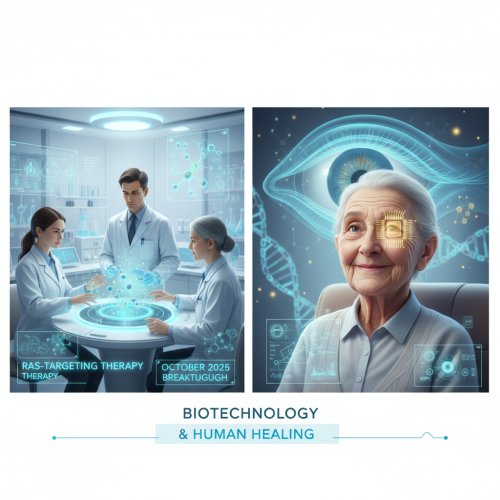
Research Breakthrough: New Eye Implants and AR Glasses Help Blind People Read Again in Groundbreaking Trial
|
3 |
Research Reveals How Early Peanut Introduction Dramatically Reduces Food Allergies in ChildrenNew U.S. research published in Pediatrics shows that early peanut introduction—endorsed by 2015 and 2017 national guidelines—has significantly reduced rates of food allergies among young children. Drawing from tens of thousands of pediatric health records, the study found a 45% drop in peanut allergies and a 37% reduction in overall food allergies since the new recommendations. The findings validate real-world benefits of early allergen exposure and support a global shift toward introducing peanuts and other allergenic foods during infancy, helping prevent lifelong allergies and improving public health outcomes.
|
4 |
Research: Night Shift Work May Increase the Risk of Irritable Bowel Syndrome – New Evidence from a Study of 266,000 UK AdultsA large-scale study involving 266,000 UK adults has revealed a significant link between night shift work and an increased risk of irritable bowel syndrome (IBS). Researchers found that individuals who regularly worked night shifts were more likely to experience chronic digestive problems compared to those with daytime schedules. Disrupted circadian rhythms, irregular eating patterns, and sleep disturbances may contribute to this heightened risk. The findings highlight the potential health impact of shift work on the digestive system and underscore the importance of preventive measures and workplace policies to support employees with irregular work hours.
|
5 |
Research Reveals You Don’t Need Extreme Happiness to Live Longer: The Science Behind the Happiness Threshold and Chronic DiseaseA global study published in Frontiers of Medicine reveals that you don’t need to be extremely happy to live longer. By analyzing well-being data from 123 countries over 15 years, researchers identified a “happiness threshold” of 2.7 on the Cantril Life Ladder scale. Beyond this point, each 1% rise in happiness corresponds with a 0.43% drop in deaths from chronic diseases like heart disease, cancer, and diabetes. Moderate happiness appears sufficient to reduce stress, encourage healthy habits, and extend life. Policymakers are now urged to treat happiness as a vital public health factor.
|
6 |
Research on Maternal-Fetal Medicine: Dr. Irina Burd’s Pioneering Work in Fetal Brain Development and Reproductive ScienceDr. Irina Burd, MD, PhD, is transforming maternal-fetal medicine through her groundbreaking research on inflammation, fetal brain development, and reproductive health innovation. As President of the Society for Reproductive Investigation, she champions scientific collaboration, education, and entrepreneurial engagement in women’s health. Her development of NEST, an AI-powered fetal monitoring system, reflects her commitment to improving neonatal outcomes through technology. With more than 170 publications and a legacy of leadership, Dr. Burd continues to shape the global landscape of reproductive medicine and maternal care.
|
7 |
Research Unveiled at ESMO 2025: MSK’s Groundbreaking Advances in Lung, Pancreatic, and Solid Tumor Cancer TreatmentsAt ESMO 2025, MSK researchers unveiled landmark studies that could reshape cancer treatment. Breakthroughs included iza-bren, a dual-target ADC showing high efficacy in lung cancer; the SHARON trial, combining chemotherapy with stem cell transplant for inherited pancreatic cancers; and new insights into how MMRd and MSI-H mechanisms influence immunotherapy outcomes. Early data from HRO761, targeting Werner helicase in MSI-H/MMRd tumors, further highlighted MSK’s leadership in precision oncology. Together, these studies represent a major step toward more personalized and effective cancer care.
|
8 |
News on Reimagining Medical Education: Highlights from ChangeMedEd® 2025ChangeMedEd® 2025 united medical educators and innovators to rethink how physicians are trained for tomorrow’s healthcare challenges. Through workshops, panels, and interactive exhibits, the conference emphasized evidence-based learning, adaptability, and innovation. Highlights included discussions on integrating AI into education, strengthening competency-based training, and fostering collaboration across institutions. While the conference has concluded, attendees can still explore session materials and visual summaries to stay engaged with the ideas shaping modern medical education and patient-centered healthcare.12:25:25 PM
👉 Click to read the full Article |
9 |
Research on Innovative Bile Duct Procedure: KGMU Develops Peripapillary Dissection TechniqueDoctors at King George’s Medical University have developed Peripapillary Dissection (PPD), a novel endoscopic procedure to treat severe bile duct blockages. Standard ERCP fails in roughly a third of complicated cases, leaving patients at risk. PPD allows surgeons to reach obstructions safely using a stepwise, minimally invasive technique, avoiding open surgery. Presented at UPISGCON 2025, the procedure earned recognition and is undergoing patent registration. PPD emphasizes surgical skill, precision, and innovation, offering faster recovery, reduced complications, and improved patient safety. It represents a significant advancement in hepatobiliary surgery and the global trend toward minimally invasive procedures.
|
10 |
Research Reveals Reversal of Brain Aging and Memory Loss Using Young Immune Cells in MiceScientists have successfully reversed brain aging and memory loss in mice using young immune cells derived from human stem cells. The treatment improved learning, memory, and neuronal health, while reducing neuroinflammation and protein aggregates associated with Alzheimer’s disease. Behavioral tests confirmed significant cognitive improvements in aged mice compared to untreated controls. This study highlights the critical role of the immune system in brain health and suggests a novel therapeutic approach for neurodegenerative disorders. Although translation to humans requires further research, this discovery represents a major step toward rejuvenating cognitive function and potentially slowing age-related memory decline.
|
11 |
Research Uncovers Nervous System Components Driving Gastrointestinal Cancer GrowthAustralian researchers at ONJCRI and La Trobe School of Cancer Medicine discovered that the neuropeptide CGRP and its receptor RAMP1 drive tumor growth in colorectal and stomach cancers. Both nerve fibers and tumor cells produce CGRP, creating a novel nerve–tumor pathway that sustains cancer progression. Importantly, drugs targeting this pathway are already approved for migraine treatment, raising the potential for drug repurposing in cancer therapy. Genetic deletion of RAMP1 in tumor cells reduced growth, confirming the pathway’s role. This discovery opens new avenues for effective, less toxic therapies, highlighting the critical link between the nervous system and cancer development.
|
12 |
Research Reveals: COVID-19 mRNA Vaccines Could Revolutionize Cancer TherapyA groundbreaking Nature study reveals that COVID-19 mRNA vaccines may boost cancer immunotherapy effectiveness. Researchers found that vaccinated patients with lung and skin cancers showed significantly improved survival rates when treated with immune checkpoint inhibitors (ICIs). The vaccines trigger a powerful type-I interferon response, awakening the immune system to recognize and attack tumors previously resistant to treatment. This immune surge transforms “cold” tumors into “hot” ones, making them more responsive to therapy. The discovery suggests that widely available mRNA vaccines could revolutionize cancer care, offering an affordable, off-the-shelf strategy to enhance existing treatments.
|
13 |
Research Identifies and Inhibits Key Cell Death Pathway in Severe Cutaneous Adverse ReactionsJapanese researchers at Niigata University, La Trobe School of Cancer Medicine, and University of Tokyo have identified FPR1-mediated necroptosis as a key driver of cell death in SJS/TEN, life-threatening skin conditions. By screening compounds with high FPR1 inhibitory activity, the team developed novel therapeutic candidates that reduced keratinocyte death in model cells and prevented disease onset in mice. This approach represents a promising new strategy for targeted therapy, offering hope for improved patient outcomes where current treatments fail. FPR1 inhibitors could be integrated into existing treatment protocols, providing a safer and more effective option for managing severe cutaneous adverse reactions.
|
14 |
Research Reveals E-Cigarette Toxic Compounds Damage Human Lung Cells: Implications for Vaping SafetyA study by UC Riverside demonstrates that heating e-cigarette fluids generates methylglyoxal and acetaldehyde, toxic compounds that damage human lung cells. Methylglyoxal, even at low concentrations, disrupts mitochondria and weakens cell structure, while acetaldehyde is also harmful. Notably, lower-powered devices may produce higher toxin levels, challenging assumptions about vaping safety. Short-term exposure alters cellular pathways tied to energy, DNA repair, and structural integrity. These findings have critical implications for healthcare providers, patient education, and public health policy, emphasizing the need for further research and regulatory oversight to mitigate long-term respiratory risks from e-cigarette use.
|


Share