Research: Children Born to Mothers with COVID-19 During Pregnancy Show Increased Risk of Developmental Disorders by Age Three
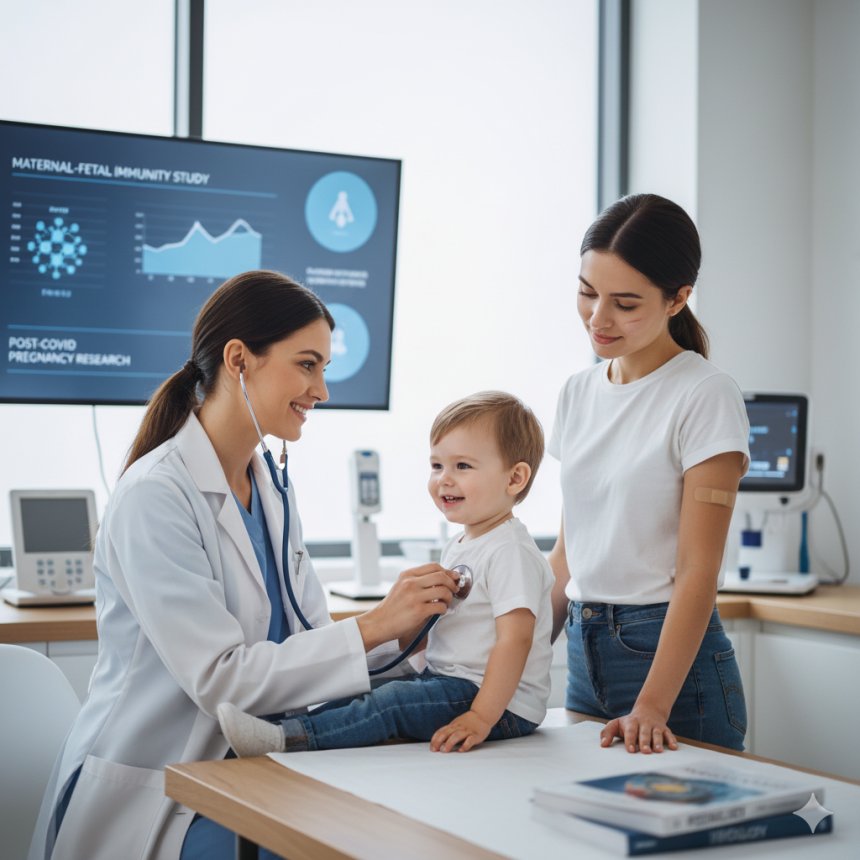
A major study by Mass General Brigham reveals that children exposed to maternal COVID-19 in utero face a significantly higher risk of developmental delays, speech and motor disorders, and autism by age three — emphasizing the need for maternal infection prevention and early childhood screening.

Children Born to Mothers with COVID-19 During Pregnancy Show Increased Risk of Developmental Disorders by Age Three
Summary
Children born to mothers who contracted COVID-19 during pregnancy are more likely to experience neurodevelopmental delays by age three, including speech, motor, and behavioral disorders. A landmark study by Mass General Brigham, published in Obstetrics & Gynecology, highlights a 29% higher likelihood of such outcomes compared to children of uninfected mothers. While the absolute risk remains low, experts stress the importance of early screening, maternal vaccination, and awareness among healthcare providers and parents.
Key Highlights
- Study of 18,124 mother–child pairs found a 29% higher risk of developmental disorders among children exposed to maternal COVID-19.
- Male children and those exposed during the third trimester faced the greatest risks.
- Neurodevelopmental disorders observed included speech delays, autism spectrum disorder, and motor dysfunctions.
- Experts emphasize maternal vaccination and infection prevention as critical prenatal measures.
- Overall risk remains relatively low, but early intervention can improve developmental outcomes.
Introduction
A growing body of research continues to reveal the far-reaching effects of COVID-19, extending beyond respiratory illness to include subtle developmental consequences for the next generation. According to a new study by investigators at Mass General Brigham, children born to mothers infected with SARS-CoV-2 during pregnancy have an elevated likelihood of developing neurodevelopmental disorders by age three. The findings, published in the journal Obstetrics & Gynecology, provide one of the most comprehensive looks to date at how prenatal exposure to COVID-19 may influence brain development.
Led by Dr. Andrea Edlow, a Maternal-Fetal Medicine specialist, and Dr. Roy Perlis, a psychiatrist at Mass General Brigham, the research underscores the potential neurological risks posed by maternal infection. Their findings arrive at a critical time when global vaccination rates among pregnant women have declined, and misinformation about maternal-fetal vaccine safety persists.
Impact on Healthcare Sector
The study’s results have significant implications for obstetric care, maternal health counseling, and early childhood monitoring. Obstetricians and gynecologists are being urged to discuss not only the physical risks of COVID-19 in pregnancy but also potential neurological implications for the developing fetus. Hospitals and health systems may need to strengthen perinatal infection surveillance and integrate developmental screening into routine pediatric care for infants born to infected mothers.
Dr. Edlow emphasized that infections like COVID-19, much like influenza and Zika virus, can influence fetal brain development. She warned that declining vaccine confidence among pregnant populations could undermine progress in maternal and neonatal health protection. “Preventing infections during pregnancy is vital,” she said. “This is about safeguarding not only the mother’s well-being but also her child’s long-term cognitive and behavioral health.”
Research Analysis and Methodology
To examine potential links between maternal SARS-CoV-2 infection and early child neurodevelopment, researchers analyzed health records of 18,124 mother–child pairs delivered across Mass General Brigham hospitals between March 2020 and May 2021 — a period coinciding with the pandemic’s first major wave. Of these, 861 mothers tested positive for COVID-19 during pregnancy.
Investigators then tracked diagnostic outcomes up to age three, focusing on developmental milestones and formal neurodevelopmental diagnoses such as autism spectrum disorder, motor delays, speech and language impairments, and behavioral conditions. After adjusting for socioeconomic, demographic, and health confounders, the study found that 16.3% of children exposed to maternal COVID-19 in utero had received a developmental diagnosis, compared to 9.7% among those unexposed. This equated to a 29% increase in relative risk.
The association was strongest for infections occurring during the third trimester, a crucial phase for synaptic and cortical brain development. The data suggested that immune activation late in gestation may disrupt neurobiological processes essential for postnatal cognition and motor coordination.
Expert Insights and Commentary
Dr. Roy Perlis, co-senior author and professor of psychiatry, clarified that while statistical risk elevation is notable, most children born to COVID-19–positive mothers develop normally. “The overall risk remains low, but awareness allows us to identify and support those who may be vulnerable,” he said.
Experts unaffiliated with the study have echoed this balanced perspective. Dr. Catherine Monk, a perinatal psychologist at Columbia University (not involved in the research), noted that maternal stress and systemic inflammation — both common during infection — may be contributing factors. “This aligns with decades of developmental science showing that maternal immune and stress responses can influence fetal neurobiology,” she commented.
Dr. Lydia Shook, first author of the study, stressed the need for parental education: “By recognizing potential risks early, parents can advocate for timely developmental evaluations and interventions, which are known to improve long-term outcomes.”
Effects on Healthcare Professionals
Healthcare professionals are increasingly at the front line of identifying and mitigating developmental challenges arising from maternal infections. Pediatricians, neurologists, and obstetricians must collaborate to develop multidisciplinary care pathways that include developmental screening tools and parental guidance for high-risk children. Additionally, frontline clinicians can play a pivotal role in restoring vaccine confidence by communicating data-driven safety evidence to expectant mothers.
The findings also highlight a need for improved perinatal infection protocols in hospitals. Enhanced maternal immunization campaigns, better integration of electronic health data, and longitudinal child monitoring can help health systems manage post-pandemic developmental risks more effectively.
Global and Societal Implications
Globally, millions of pregnancies occurred during COVID-19’s peak years, and the study’s findings have far-reaching implications for public health and early childhood care. As nations rebuild healthcare infrastructures post-pandemic, prioritizing maternal health research and early developmental assessments becomes crucial.
Public health agencies may consider targeted awareness campaigns for parents of pandemic-born children, promoting developmental screening between 18–36 months. The study also invites international collaboration on maternal infection registries to better track cross-population outcomes.
Future Outlook
While the current findings indicate elevated risk, researchers caution that causation cannot yet be definitively established. Long-term follow-ups are needed to assess whether these early developmental differences persist into school age. Emerging research will likely explore mechanisms involving maternal immune activation, placental inflammation, and genetic vulnerability as potential mediators.
With continued surveillance and early interventions, healthcare systems can significantly reduce adverse outcomes. Future policies emphasizing maternal vaccination, prenatal infection management, and developmental monitoring can ensure healthier beginnings for the next generation.
Conclusion
The Mass General Brigham study sheds important light on how COVID-19 may subtly influence neurodevelopment when contracted during pregnancy. It reinforces a broader truth long recognized in obstetric medicine — maternal health profoundly shapes child outcomes. While most children remain unaffected, this research serves as a call to strengthen preventive care, champion maternal vaccination, and expand early childhood evaluation frameworks worldwide.
References
Source: Mass General Brigham
Journal Reference: Shook, L.L., Castro, V., Ibanez-Pintor, L., Perlis, R.H., & Edlow, A.G. (2025). Neurodevelopmental Outcomes of 3-Year-Old Children Exposed to Maternal SARS-CoV-2 Infection in Utero. Obstetrics & Gynecology. DOI: 10.1097/AOG.0000000000006112
Share