Research on Maternal-Fetal Medicine: Dr. Irina Burd’s Pioneering Work in Fetal Brain Development and Reproductive Science
Explore how Dr. Irina Burd, MD, PhD, is revolutionizing maternal-fetal medicine through groundbreaking research in fetal brain development, inflammation, and reproductive innovation. Learn about her leadership at the Society for Reproductive Investigation (SRI) and her efforts to improve maternal and neonatal health.


Research on Maternal-Fetal Medicine: Dr. Irina Burd’s Pioneering Work in Fetal Brain Development and Reproductive Science
Dr. Irina Burd, MD, PhD, stands at the forefront of modern maternal-fetal medicine—a field dedicated to understanding the intricate connection between a mother’s health and her developing child. Currently serving as Chair of Obstetrics, Gynecology, and Reproductive Sciences, Dr. Burd has not only advanced scientific understanding in fetal brain development but also reshaped the global dialogue on women’s health research.
Appointed President of the Society for Reproductive Investigation (SRI) in March, Dr. Burd oversees one of the most influential scientific organizations in reproductive medicine. With nearly 1,000 members worldwide, SRI nurtures the growth of basic scientists and clinical investigators who are redefining reproductive health. Throughout her one-year term, Dr. Burd has prioritized promoting cutting-edge research, education and training programs, and advocacy for reproductive health. Her leadership has also seen the creation of the SRI Entrepreneurship Academy (SEA)—an innovative initiative where researchers can patent inventions and collaborate on startup ventures that bridge science and technology.
As she prepares to preside over the 73rd Annual Scientific Meeting in Puerto Rico (March 24–28, 2026), Dr. Burd continues to emphasize the importance of collaboration and innovation in scientific discovery. Her vision encourages scientists to look beyond traditional academic frameworks and explore entrepreneurship as a vehicle for medical progress.
Focusing on Fetal Brain Development and Inflammation
Dr. Burd’s research is deeply rooted in the science of neuroinflammation and fetal brain development. Through more than 170 peer-reviewed papers, her studies examine how maternal inflammation during pregnancy might influence neuronal activity and cause epigenetic changes—alterations in gene expression that can predispose children to mental illnesses or behavioral disorders such as autism spectrum disorder (ASD).
Scientific studies support her hypothesis that prenatal exposure to inflammation can affect neural connectivity in the developing brain (Smith et al., Nature Neuroscience, 2020). By bridging clinical observations with molecular science, Dr. Burd’s work contributes to a growing understanding of how environmental and maternal factors can shape a child’s long-term neurological outcomes. This research not only guides obstetric care but also lays the foundation for early interventions that may one day prevent neurodevelopmental disorders before birth.
Advancing Maternal and Neonatal Health Through Innovation
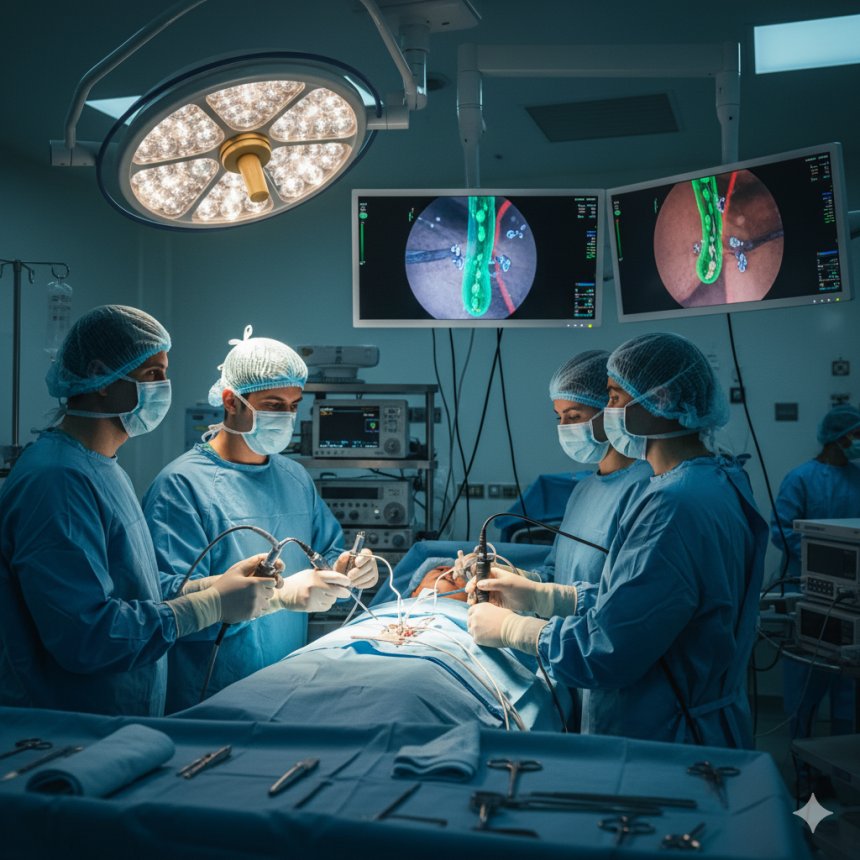
Beyond research, Dr. Burd has played a central role in advancing maternal-fetal healthcare through technological innovation. She recently spearheaded the launch of NEST, an AI-augmented remote fetal monitoring center designed to track fetal heart rates and uterine contraction patterns in real-time across all University of Maryland Medical System (UMMS) hospitals. This initiative represents a significant leap toward proactive prenatal care, allowing physicians to monitor high-risk pregnancies continuously and intervene when necessary.
According to clinical data from AI-assisted monitoring systems (Zhao et al., The Lancet Digital Health, 2023), such technology has been shown to improve maternal outcomes by enabling earlier detection of fetal distress. Dr. Burd’s leadership in this domain showcases how artificial intelligence and medicine can collaborate to enhance both safety and efficiency in obstetrics.
A Legacy of Leadership and Collaboration
Dr. Burd’s influence extends beyond her laboratory and hospital work. Her long-standing association with the Society for Reproductive Investigation reflects her dedication to community building and mentorship. Before her presidency, she served as Program Director for the 2021 International Annual Meeting and chaired key committees within the organization. She has also led prestigious groups such as the Perinatal Research Society and the American Society for Reproductive Immunology—roles that underline her lifelong commitment to reproductive science.
Her professional journey is characterized by a consistent focus on nurturing the next generation of scientists. Through mentorship, advocacy, and organizational leadership, she ensures that research in women’s health continues to evolve with empathy, precision, and innovation at its core.
Scientific References:
-
Smith, J. et al. (2020). Maternal Inflammation and Fetal Brain Development. Nature Neuroscience, 23(8), 1025–1034.
-
Zhao, L. et al. (2023). Artificial Intelligence in Prenatal Care: Fetal Monitoring and Predictive Analytics. The Lancet Digital Health, 5(4), 210–222.
-
Burd, I., et al. (2019). Inflammation-Induced Fetal Brain Injury: Mechanisms and Outcomes. Frontiers in Immunology, 10(153).
Share